I’m a woman with a philosophy degree working in software development, and there is a lot of stuff out there on women in engineering. Lean in, abolish bossy, how to have it all, you can’t have it all, etc. There’s also plenty to be read about the reputed anti-female bias in technology, and yes, it’s out there. It’s not nice and it’s not professional. It’s increasingly bad for business, but the reality is that women are one of the few kinds of human beings still allowed to be mocked and joked about or singled out as unique, and that is everywhere, not just in my field. We’re not quite over our case of patriarchy yet.
The other day I went to a TED talk and heard a woman, the dean of a women’s college, argue that the reason we haven’t made more progress is because our societal systems are not friendly to women, and that we need to design systems that are women-friendly. (When the talk gets posted online in a few months, I’ll add a link here.) This echoes a lot of the conversation you’ll hear about women in tech: it’s not a friendly environment to women, and this needs to change. There are two problems here:
It’s insufficiently actionable.
So many of the “women in engineering” efforts that I see are internally focused and they look at numbers. Are enough women getting hired at entry level? Are enough making it to the top tiers? Are “woman perspectives” being heard in the boardroom? And if they aren’t looking at numbers, they ask if companies are “woman-friendly.”
What the hell does it mean to be “woman friendly?” Does it mean we have a percentage of women in a department that is equal to the percentage of women in society in general? What about industries that are dominated by women? Do those need to become more man friendly? It doesn’t make sense. I don’t know what we’re looking for, and maybe there are guidelines out there that I’ve missed or maybe I’ve been lucky enough to only work at women-friendly companies. But given all of the insistence on the lack of women who are comfortable in engineering and the demands to be women friendly, it really seems like these groups are looking for a particular kind of woman to feel comfortable in engineering — one who doesn’t feel that way now.
What about those of us who already feel comfortable there?
The problem is that approaches like this argue that there’s a fundamental non-biological difference between men and women, but that we’re still equal. It insists that there is something that makes you woman versus man that is beyond your body. It is a part of who you are, what you like, what you dislike, where you’re comfortable, etc. And this is a problem, not just because “separate but equal” got tossed awhile ago, but because it doesn’t account for everyone. It only accounts for the self-defined majority, whatever they may be like or, rather, whatever the societal norm is.
I’m the only woman on my teams, and only one of three women in my office. Ninety-five percent of the time, I’m not even aware of the fact that I am surrounded by guys, because they’re just my coworkers, my team. Informal polling of my female coworkers says they feel the same way. Are we the minority?
I understand that not all women agree. I’ve heard that there are groups of women who will meet together to enter developer conferences in groups, because they find going in alone is too intimidating. I can’t question their feelings, and I’m glad they’ve found a support system. But can we get a little bit of perspective?
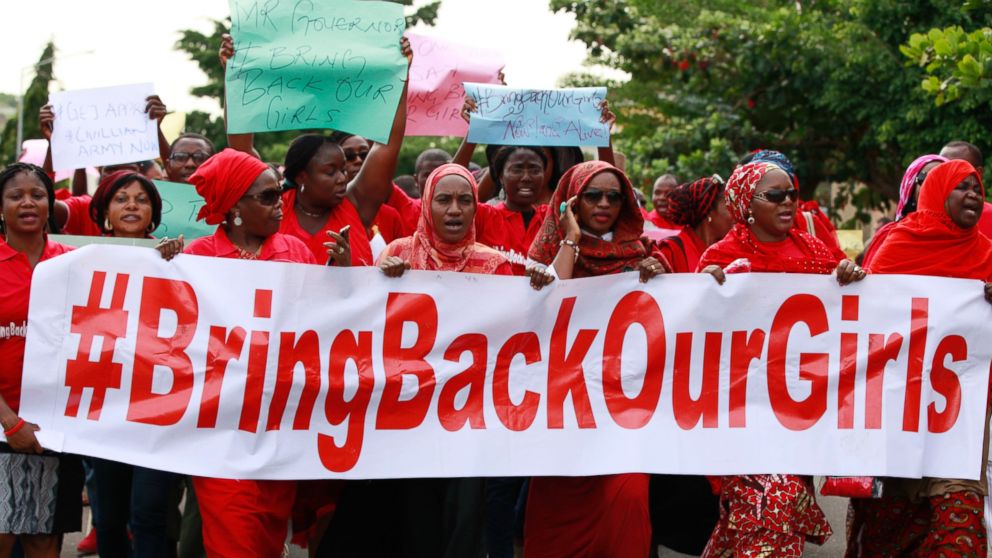
This is a place that is hostile to the progress of women. These women are brave.
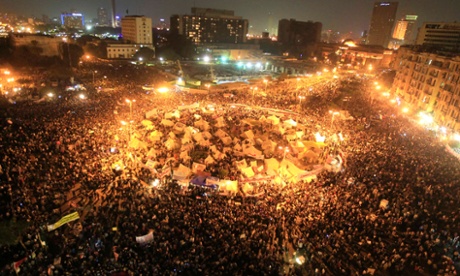
This (Tahir Square) is a place where women were assaulted in the pursuit of making their voices heard. These women, regardless of what you think of their political views, were brave.
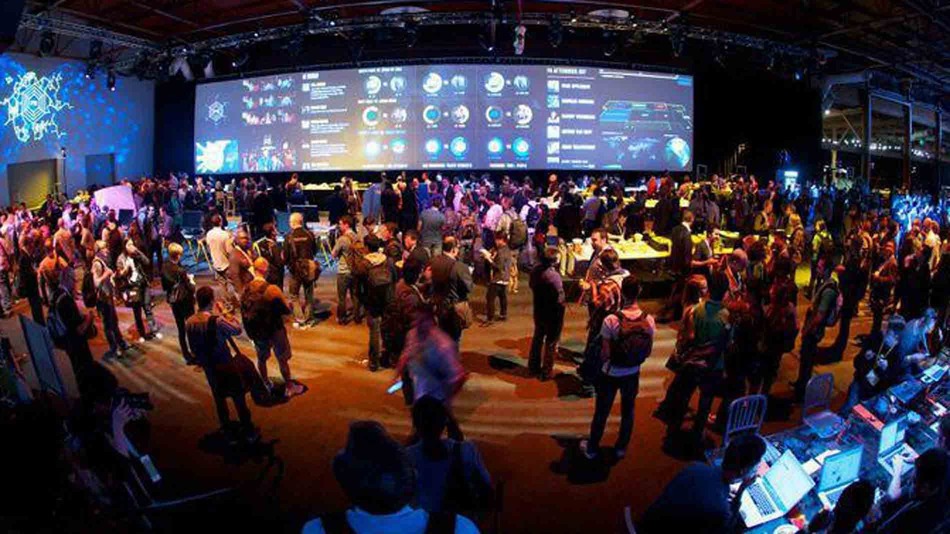
But this, your average dev conference? No. This may be a challenging place to be a minority, and you may have to put up with the incredible egos and brogrammers and relics of patriarchy.
Yes, it takes courage to be the different one, and yes, we need to get our voices heard — all of them. Let’s learn to code, teach, heal, counsel, develop, build, coach, whatever we do, for not only ourselves but for our sisters around the world, so that they might have the same opportunities that we do.
 I Like To Go Places